Top Trends in Custom Software Development in 2026
Explore the top trends shaping custom software development in 2026, from AI-assisted coding to automation and scalable systems. Learn how founders and teams can build faster, smarter, and future-ready products with the right approach.
Keshav Gambhir
3/24/20264 min read
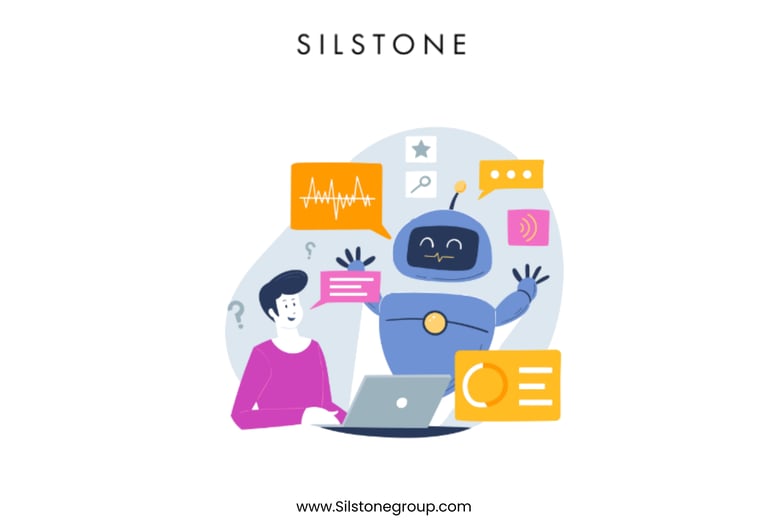
Custom software is changing fast. What worked two years ago already feels outdated. New tools, especially AI, are changing how products are built, tested, and scaled.
If you are a founder, CTO, or part of a product team, understanding these trends is not just useful. It is necessary.
This blog covers the most important trends in custom software development in 2026 and what they actually mean for your business.
1. AI is Becoming a Core Part of Development
AI is no longer just a feature inside products. It is now part of the development process itself.
Teams are using AI tools to write code faster, debug issues, generate test cases, and improve documentation.
This is often called AI assisted development.
What this means for you is simple. Development timelines are getting shorter, initial costs can be reduced, and smaller teams are able to do more work.
At the same time, AI alone cannot build a strong product. You still need experienced engineers who understand architecture and scalability. The real advantage comes when AI and experienced developers work together.
2. Speed is Now a Competitive Advantage
Earlier, companies took months to build MVPs. Now, products are being launched in weeks.
This shift is happening because of better frameworks, AI tools, pre built components, and strong cloud infrastructure.
In 2026, speed is not just a nice thing to have. It directly impacts your ability to raise funds, test ideas, and capture market share.
Founders need to focus on launching fast instead of aiming for perfection. Early feedback matters more than polished features. Iteration is more important than long planning cycles.
Companies that move slowly are already falling behind.
3. Custom Software is Replacing Off the Shelf Tools
More companies are moving away from generic SaaS tools and building custom solutions.
The main reason is that off the shelf tools do not fit specific workflows. Integration issues slow down operations, and scaling becomes difficult over time.
Custom software gives better control, improved performance, and flexibility to adapt as the business grows.
This trend is especially strong in industries like healthcare, fintech, and logistics.
In 2026, companies are no longer asking if they should build custom software. They are asking when.
4. AI Agents and Automation are Taking Over Operations
AI agents are one of the biggest shifts right now.
Instead of just dashboards and tools, companies are building systems that can handle communication, process workflows, and automate decisions.
This is already visible in real use cases like pharmacy systems handling refill requests, support systems answering queries automatically, and internal tools managing operations.
The impact is clear. Manual work is reducing, efficiency is improving, and companies are able to scale without increasing team size.
Businesses that adopt automation early will have a strong advantage.
5. Security and Compliance are Becoming Critical
As software becomes more powerful, risks also increase.
This is especially important in industries like healthcare and finance where data sensitivity is high.
In 2026, security is not something that can be added later. It needs to be built into the system from the beginning.
Ignoring security can lead to legal issues, loss of user trust, and serious financial damage.
Companies that invest in secure architecture early are in a much stronger position long term.
6. Low Code and No Code are Growing but Not Replacing Developers
Low code and no code platforms are becoming more common.
They help teams build simple tools quickly, test ideas faster, and reduce initial development time.
However, they are not a replacement for custom software development.
These platforms have limitations when it comes to flexibility, scalability, and handling complex systems.
The right approach in 2026 is to use no code tools for early validation and move to custom development when the product needs to scale.
Teams that understand this balance are able to move faster without getting stuck later.
7. Integration is More Important Than Ever
Most companies today are using multiple tools and systems.
The real challenge is not just building new software, but making everything work together smoothly.
Poor integration leads to disconnected data, manual work, and slower processes.
On the other hand, strong integration creates better workflows, clearer insights, and higher efficiency across the organization.
In many cases, fixing integration issues brings more value than building new features.
8. Product Thinking is Replacing Feature Thinking
Earlier, teams focused on building as many features as possible.
Now, the focus is shifting towards building complete products that solve real problems.
This includes thinking about user experience, performance, scalability, and overall business impact.
In 2026, building features alone is not enough. You need to understand why the product exists, who it is for, and how it will grow over time.
Many products fail not because of poor code, but because of weak product thinking.
9. Smaller Teams, Bigger Output
With the help of AI and better development tools, smaller teams are now building large scale products.
What used to require a large team can now be done by a much smaller group of skilled engineers.
This changes how companies think about hiring, costs, and execution speed.
However, this works only when the team is experienced, the system is well designed, and the direction is clear.
Without these, things can break quickly even with the best tools.
10. Long Term Thinking is Making a Comeback
For a while, speed was everything.
Now, companies are starting to see the downside of building too quickly without proper planning.
This often leads to scalability issues, high maintenance costs, and the need to rebuild systems later.
In 2026, smart teams are finding the right balance between speed, quality, and scalability.
They move fast, but they also build with long term goals in mind.
Final Thoughts
Custom software development in 2026 is not just about writing code.
It is about using AI in the right way, moving quickly, building scalable systems, and solving real problems.
The biggest mistake companies make is blindly following trends.
The goal is not to use every new tool. The goal is to build the right product in the right way.
If you can combine speed, smart use of AI, and strong product thinking, you will stay ahead.
LINKS
Discover
© 2026. All rights reserved.